
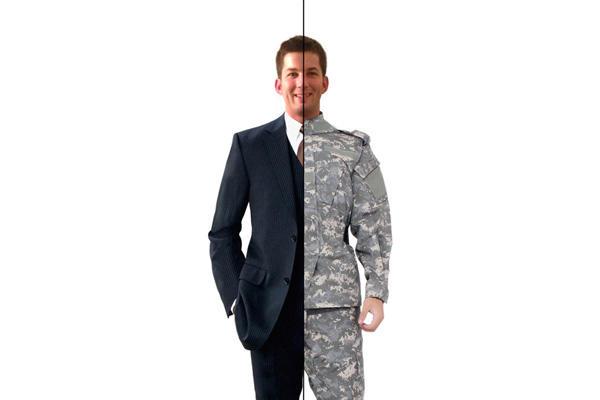
A successful move from service to civilian life depends more on a veteran’s internal mindset and identity than on external logistics like resumes or job interviews.
While the “outside” parts of transitioning (finding a house, learning to dress in business casual, or translating a MOS to a corporate title) are important, they are often secondary to the psychological shift required to leave the Military.
Core Meanings of the “Inside Out” Approach
- Redefining Identity: In the military, your identity is often tied to your rank, unit, and uniform. Transitioning from the “inside” means figuring out who you are as an individual person without those external markers of status and belonging.
- Shifting Mindset: It involves moving from a “mission-first” or “unit-first” mentality to a “self-advocacy” mindset. In the civilian world, you must learn to articulate your personal value and goals, which can feel counter-intuitive after years of selfless service.
- Emotional Processing: It highlights the need to address the “loss” of the military community. Acknowleging the grief of leaving a tight-knit brotherhood is part of the internal work that prevents burnout or “identity aporia” (a state of feeling lost) later on.
- Values Alignment: Instead of just looking for any job that pays well, an inside-out transition starts by identifying your personal values and finding a civilian career path that aligns with what actually motivates you, your gifts and talents, as well as other civilian life factors or conditions.
Why It Matters.
Veterans who focus only on the “outside” (the paperwork) often find themselves in a “bridge job” that they quit within six months because they haven’t addressed the “inside” (why they are doing what they are doing). By starting internally, a veteran builds a foundation of purpose that makes the external steps more sustainable and meaningful.